


Vaping vs Heated Tobacco: Which Is a Better Option?
 Wardrobe
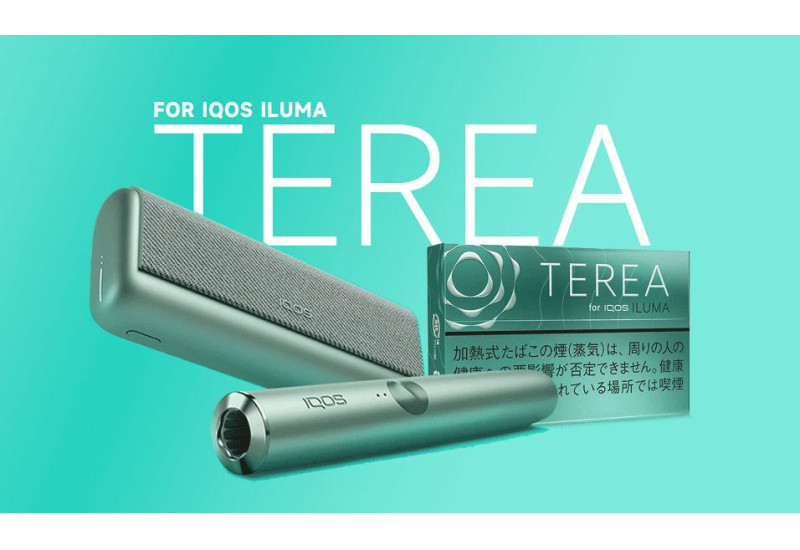
If you like the idea of quitting smoking but aren’t ready to give up nicotine, you have a choice: heated products or e-cigarettes. At first, both look like modern options to regular cigarettes. But if you look closer, their differences are much bigger than they appear.
So, what is the better option? Heated tobacco vs vaping – which one truly reduces harm, and which one is just clever marketing? What research backs tobacco harm reduction strategies? Is there real proof they work?
In this article, we’ll examine each option's pros and cons. We’ll also review case studies from major companies and explore scientific research. In the end, we’ll choose which technology and nicotine habit will come out on top.

What Is Vaping?
Vaping has long stopped being just a trend and has become a common phenomenon among young people. Electronic cigarettes are positioned as a less harmful and more tasty alternative to regular cigarettes. But is this the case? Let's understand.
The principle of vape is simple: a special liquid containing nicotine, flavoring, and glycerin is heated and turned into vapor. No fire, no ash, no combustion process. Sounds clean and convenient. But does it make vaping safer? Just an aerosol that users inhale. Here are a few devices that work on this principle:
• Pod systems (pod systems) — compact, easy to use, charge like a phone.
• Box mods — powerful, with adjustable vapor delivery, suitable for experienced e-cigarette users.
• Disposable vapes are like chips: buy, use, throw away.
How is vaping different from cigarette smoking? The main difference is the absence of the burn process. When you smoke cigarettes, the tobacco burns. Cigarette smoke gives off tar, carbon monoxide, and other dangerous substances. E-cigarette brands claim their products are safer, but are vapes harmless? However, real-world studies show that not all e-cigarette users stop smoking completely.
Heated Tobacco Products: How Do They Work?
E-cigarettes deliver nicotine as vapor, while heated tobacco products keep the tobacco but remove its worst side effects. They sit between traditional cigarettes and vapes—no burning, no open flames, no thick clouds of smoke. It’s a middle ground for those who love the taste but want to cut down on the harm of combustion.
How Do Heated Tobacco Devices Work?
Regular cigarettes burn at 600-900°C, turning tobacco into smoke and ash. But there's an alternative - gadgets like IQOS, Glo and Ploom, which heat the sticks to 350°C. You end up with nicotine aerosol instead of smoke, fewer toxins and no ash. Want to reduce your risks but not yet ready to kick the habit completely? These heat not burn products can be a compromise. Not perfect, but definitely a step in the better direction. If you are interested in purchasing heated tobacco devices, check out our range on our site.
Cigarette Smoking vs. Smokeless Tobacco: Which is Safer?
Just imagine a scene from an old movie: the hero, sitting in a bar, pulls out a pack of traditional cigarettes, slowly lights up and releases a cloud of cigarette smoke with pleasure. Stylish? Maybe. Useful? Not at all.
Cigarette smoking is not a habit, it is a ritual. But there are grim statistics behind it. Today more and more people are looking for smoke-free products, hoping to avoid the consequences of burning, but how much safer are tobacco products and e vapor products?
Why is cigarette smoking so harmful?
Let us not beat around the bush. When you take a drag from a cigarette, your lungs are not filled with nicotine only, but with a cocktail of more than 7,000 chemical compounds, including:
• Tar — a tar-like residue that settles in your lungs like soot in an old chimney.
• Carbon monoxide, a gas that interferes with the blood's ability to carry oxygen. Yeah, the same one you can get poisoned with in a garage with the engine running.
• Benzene, formaldehyde, and arsenic are great company! Benzene is used in industry, formaldehyde embalms bodies, and arsenic — well, you get the picture.
And while the smoker is consciously making a choice, those around him are not. Secondhand smoke causes disease even in people who have never picked up a cigarette. That is why the market for smokeless tobacco products is growing — people are looking for ways to reduce the harm.
Heated Tobacco vs Vaping: is it a healthy alternative?
One of the main problems with cigarettes is not the cigarette itself, but the process of its burning. It is burning tobacco that turns ego into a cocktail of carcinogens that enter the lungs with each breath.
Heated products work differently: the products is heated, but does not burn, which significantly reduces the level of toxic substances. Studies show that heat-not-burn products (for example, IQOS, Glo) emit 90-95% less harmful compounds than cigarettes.
Sounds like an ideal solution, right? But there is a nuance — nicotine has not gone anywhere. So the dependence remains, albeit in a more "pure" format. So, if you hope to completely quit smoking, you should remember that even the most technological no burn devices will not make this process easy.
E-cigarettes go even further: they do not even contain tobacco, only liquid with nicotine and flavorings. That seems fine, but some e vapor products have been found to contain heavy metals and chemical compounds with unknown long-term effects.
So which to choose? If the goal is harm reduction, then yes, smokeless tobacco is better than cigarettes. But if you want to avoid risks altogether, alas, there is no option that is 100% safe.
How do heated products work?

Heated devices are like smart cigarettes: instead of burning tobacco, they heat it. This allows the nicotine and flavor to be released, but avoids most of the harmful substances that come from burning.
Here is how it works:
- You insert a stick (e.g. IQOS, Glo) into the device.
- It heats the stick to ~350°C (vs. 600-900°C for cigarettes).
- It produces aerosol, but no cigarette smoke or ash.
The result? Flavor and feel closer to traditional cigs, but without the burning process.
Pros:
• 90-95% less harmful substances compared to cigarettes (according to studies by major health agencies).
• The odor is almost imperceptible, not absorbed into clothing.
• The sensation is similar to smoking cigarettes.
Cons:
• Nicotine does not go anywhere, which means the addiction remains.
• Long-term effects of not burning devices are still being studied.
• Not all countries allow the sale of heat not burn products.
What are e-cigarettes, and how are they different?
E-cigarettes are a different story. There is no tobacco, and nicotine is delivered through a liquid that is heated and turned into vapor. There is a complete absence of smoke, no burning, but there are still questions about the composition of the liquids.
How does it work?
- There is e-liquid (flavored nicotine liquid) inside the device.
- It is heated up to ~200°C by a coil.
- This produces e vapor, which is inhaled by e cigarette users.
Pros:
• No tobacco, no burning.
• You can control the amount of nicotine (or choose nicotine-free options).
• Large selection of flavors.
Cons:
• Some e vapor products contain substances that are potentially harmful if inhaled.
• Requires constant charging of the device and purchase of liquids.
• Not all e cigarette brands list the full composition of ingredients.
Conclusion: If you care about the taste of cigarette smoking but want to reduce the harm, choose heating devices. If you want to get away from tobacco and have more control over nicotine, e-cigarettes are the best option.
Why do adults buy e-cigarettes and heated products?
The market for nicotine products is changing as fast as fashion. Just yesterday, traditional cigarettes ruled the shelves, but today more and more adult smokers are switching to smoke-free products. But why?
- People want fewer harms but are not ready to quit cigarettes completely. Smoking is not a habit but a ritual. For many, it is a way to relax, concentrate, or keep their hands busy. Giving up nicotine completely is difficult, but tobacco harm reduction strategies give you a choice. For example, Heated products retain the flavor of tobacco but without the burning. E-cigarettes offer a complete elimination of tobacco, leaving nicotine behind. Both options reduce toxins compared to cigarettes.
- Smoking prohibitions in public places. No one likes to go out in the cold or heat for a few puffs. Cigarettes are banned in restaurants, bars, offices — practically everywhere. Heated devices do not produce open flames or thick cigarette smoke, so they are often allowed indoors. E-cigarette users also benefit — many establishments are loyal to vaping. And although you can not breathe clean air in this case, it is a convenient compromise for many people.
- Saving money. Although the price of sticks and e-liquid seems high, in practice they are cheaper than cigarettes. On average, a pack of good cigarettes costs $8-10 dollars in the US. That is about $240-300/month. Heated products cost ~$200/month, and E-cigarettes with the purchase of liquid and cartridges cost ~$100-150/month. Yes, a starter kit (like IQOS or Glo) costs more than a pack of cigarettes, but after 2-3 months most users save money.
- Flavor that can be customized. Cigarettes are just cigarettes. E-cigarettes and heat not burn devices offer a choice of fruit, mint and coffee flavors, sticks with different strengths and nicotine level control. For many, this is not an alternative to cigarettes, but a new level of personalization.
- Marketing and social trends. The market for electronic nicotine delivery systems is growing and brands are actively promoting their products. E cigarette brands are showcasing technology, stylish devices, sponsoring festivals and sporting events. Among young adults it is becoming fashionable not just to smoke, but to choose “smart” devices that fit into their lifestyle.
But there is one important point: smoking products and e-cigarettes are not about giving up nicotine, but a new way of using it. It is worth keeping that in mind before you buy.
Tobacco Harm Reduction – How is the future of the industry changing the market?

A couple of decades ago, the nicotine market was simple: either you smoke or you do not. Now everything has changed. Tobacco harm reduction strategies have become mainstream, and brands are actively developing smoke-free products to offer alternatives to cigarette smoking.
But what is behind this trend? Does it make the world healthier, or is it a new way to keep people addicted to nicotine? Let us find out.
In short, tobacco harm reduction is a concept where the goal is not to make all smokers quit, but to offer less harmful ways to consume nicotine.
The main principles are:
• Eliminate burning tobacco, as it is what creates carcinogens.
• Reduce toxins in tobacco products.
• Make smokeless tobacco and electronic nicotine delivery systems available to smokers who are not ready to quit smoking completely.
Harm reduction includes products such as Heated tobacco products, E-cigarettes, Nicotine pouches, Snus and chewing tobacco. They all work on the same principle: remove the burn process, but leave the nicotine. Does it work? Studies show that the toxin levels in heat-not-burn products and e-cigarettes are actually lower than in traditional cigarettes.
Why are companies actively promoting non- burn devices? The answer is obvious — it is a huge market. People have not stopped liking nicotine, they are just looking for new ways to consume it. For example, Philip Morris International has invested 8 billion dollars in the development of smoke-free products and promote IQOS advantages and other alternatives to traditional cigarettes.
People want to breathe clean air, but they are still looking for ways to keep the habit alive. So far, smoke-free products remain a compromise that helps smokers reduce their harm, but does not solve the problem completely.